The Modules Draft
MODULE: 1 – Geopolitics, the World Order, and Africa
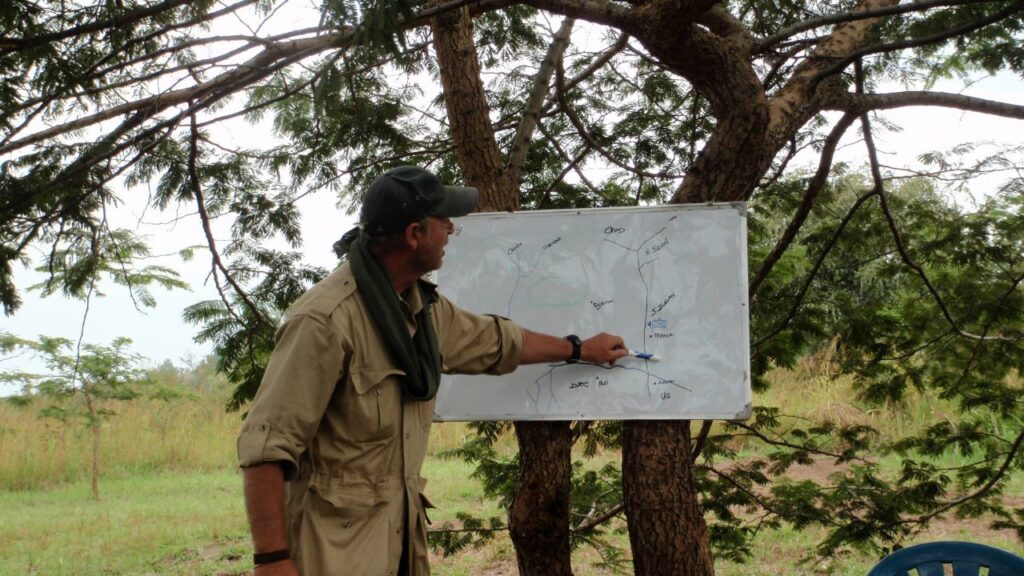
Geopolitics is about understanding how the world works.
It is, therefore, important that students understand how the world works in order to understand how Africa works. It is the behaviours of states beyond Africa that impacts—positively or negatively—across all domains on the continent.
This includes an understanding of the strategic environment in which international politics is practised; the role of power and how power shapes the world order and adds or reduces risks; the need to cooperate with other states in a fluid and dynamic geostrategic environment; understanding policy adjustments, and overcoming risks, motivations, and behaviours of states; understanding Africa’s prominence in Western and Eastern nations and the importance of Africa; the interconnectivity between the European Union (EU), the African Union (AU) and other international organizations; the consequences of foreign intervention, the expansion and protection of foreign interests and the trade-offs; the role of external players; Africa’s role in the developing world order, and so forth.
This module discusses:
- How to study world order;
- Power shifts in the contemporary world order;
- Connections and borders;
- Main actors of the world order;
- Africa´s position in the world order;
- External support – goals, tools, and limits.
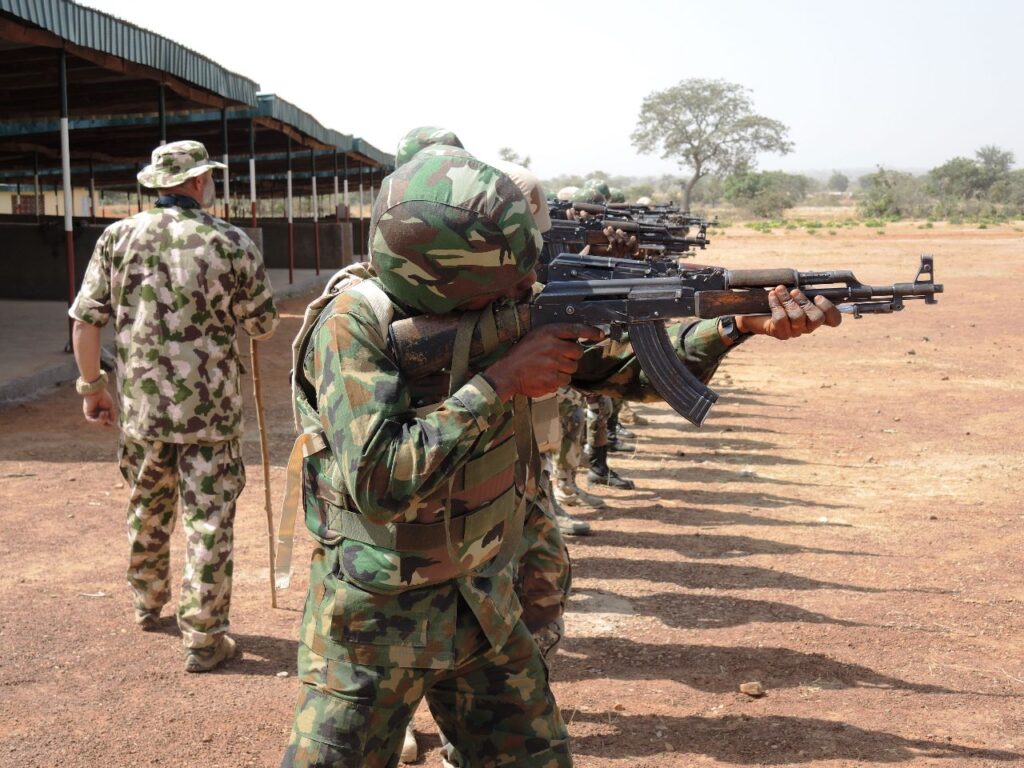
MODULE 2: African Security and Strategy
This module discusses the national security imperative as a way how all national governments attempt to approach and give expression to the security of the state and its citizens. Developments over time have influenced national security and directed both thought as well as practices to take a wider view of security. The outcome of several security practices in multiple sectors is associated with the absence of fear and want of citizens, and the belief that the public must be the first beneficiaries of state efforts to bring about national security. For African countries, the interplay between people first vs regime security is particularly fierce but showing visible progress in recent decades. Good governance has become one pathway to promote security, rule of law, political, economic, social and environmental goods and services to citizens. This unfolds on land and in Africa’s maritime territories that collectively enhance more security to citizens who are often subjected to threats originating from within the state, as well as from beyond.
This module discusses:
- The African security environment and National Security;
- Contemporary African security dynamics and threats;
- The impact of governance on security;
- The complexity of strategy as a concept;
- The dimensions and development of strategy;
- The strategic process and political control;
- The execution of strategy.

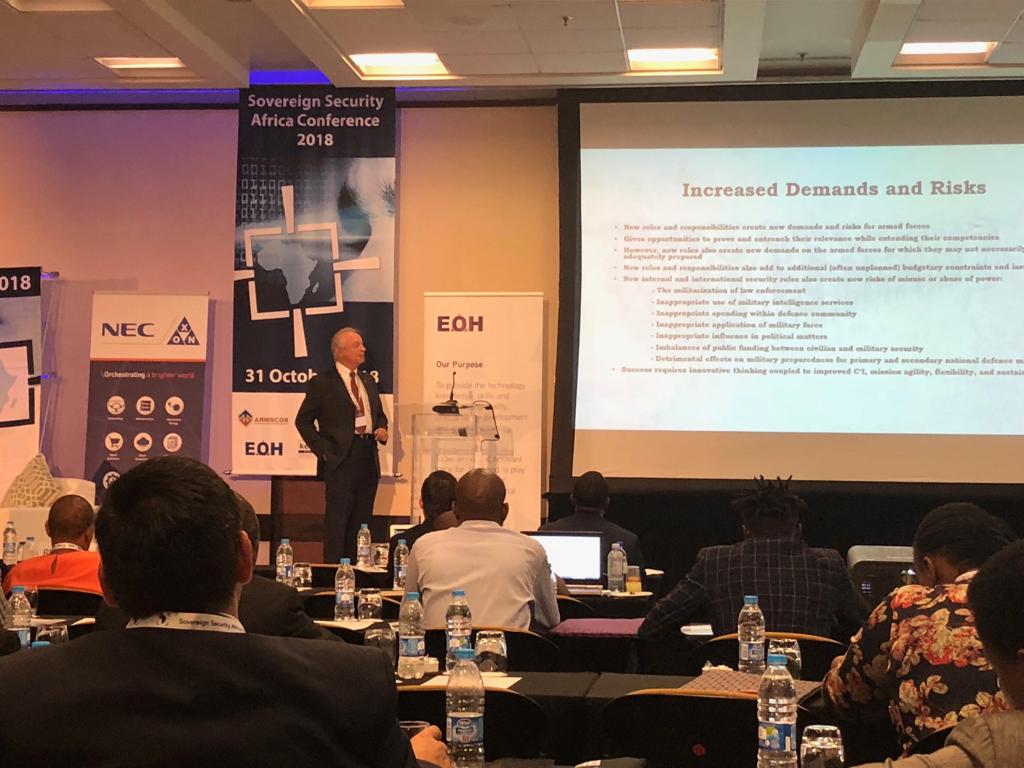
MODULE 3: Towards a contemporary African Way of War
Africa has become synonymous with armed conflict and an alarming rise in terrorism, both domestic (national) and transnational. Left unchecked, this can result in conflicts between states. (Many of these conflicts have also occurred due to the arbitrary drawing of borders by occupying or colonial powers to secure foreign interests and control territory.)
Students need to understand the interconnectivity between the various government strategies and how they can add to either increased risks against the state or help mitigate them. It is these strategies that can either erode the Pillars of State or strengthen and expand them.
To secure the territorial integrity of the state, the armed forces, supported by elements of the other security forces, plan, and conduct different types of military operations. These operations take place within the confines of strategies and policies. To unpack the strategies, the armed forces apply doctrine which guides them on how to do things but not what to do.
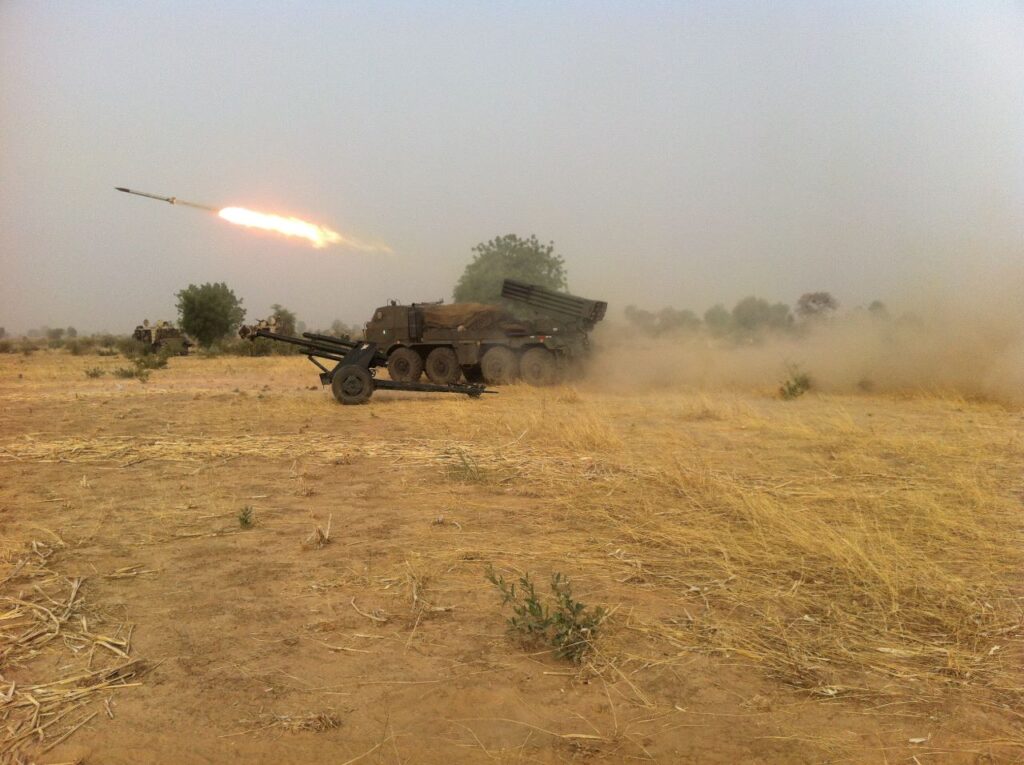
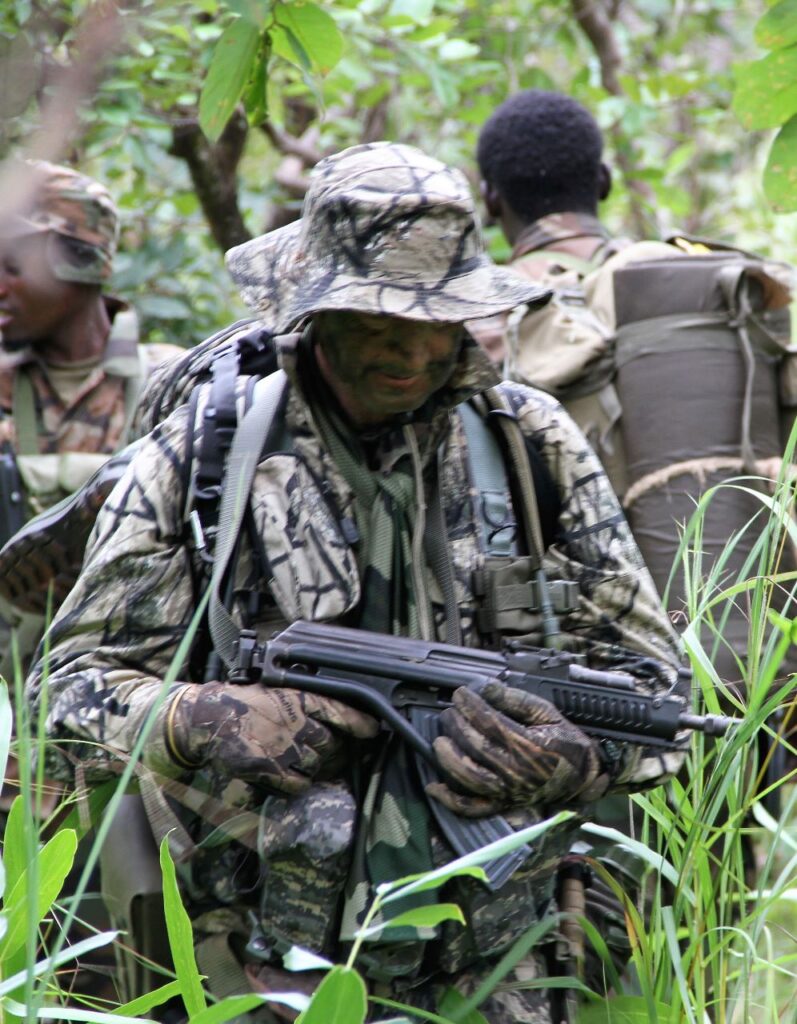
Composite Warfare is an approach that has proven to be highly successful in countering armed anti-government forces in Africa and forms the foundation for a contemporary African Way of War.
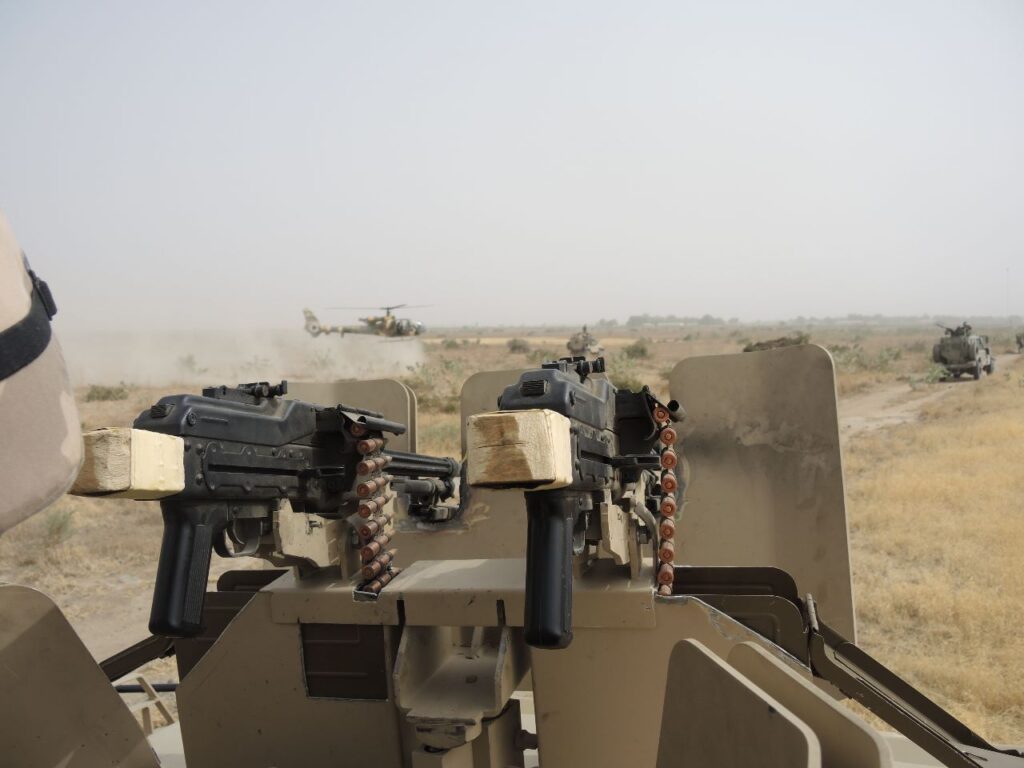
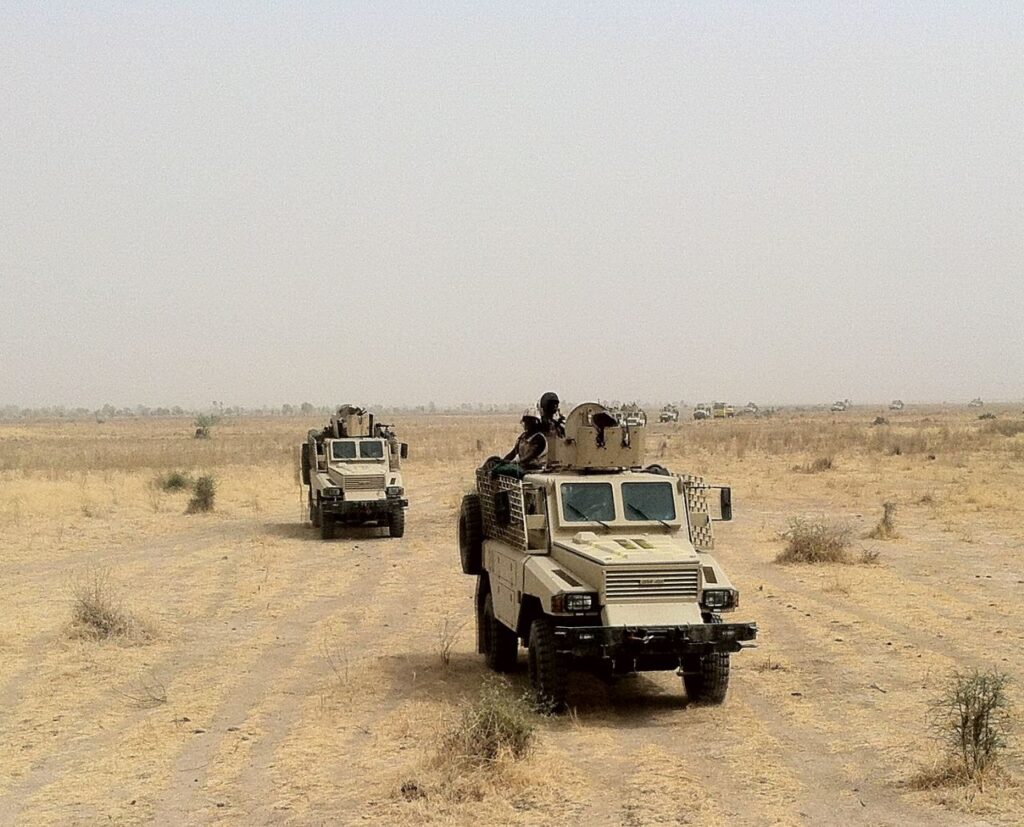
The rapid deployment of the armed forces is reliant on horisontal and vertical manoeuvre. Mobility enables the deployment of forces, and projection of force and firepower to overwhelm and neutralise hostile aggressor forces that pose a threat to the state and its citizens.
This module discusses:
- The relationship between African National Strategy and African Military Strategy;
- Protecting and defending the Pillars of State;
- Types of African military operations;
- The development of doctrine in support of African military operations;
- Composite Warfare;
- Conventional and unconventional manoeuvre;
- Force projection and hard and soft power.
MODULE 4: State-building, its Alternatives and Challengers
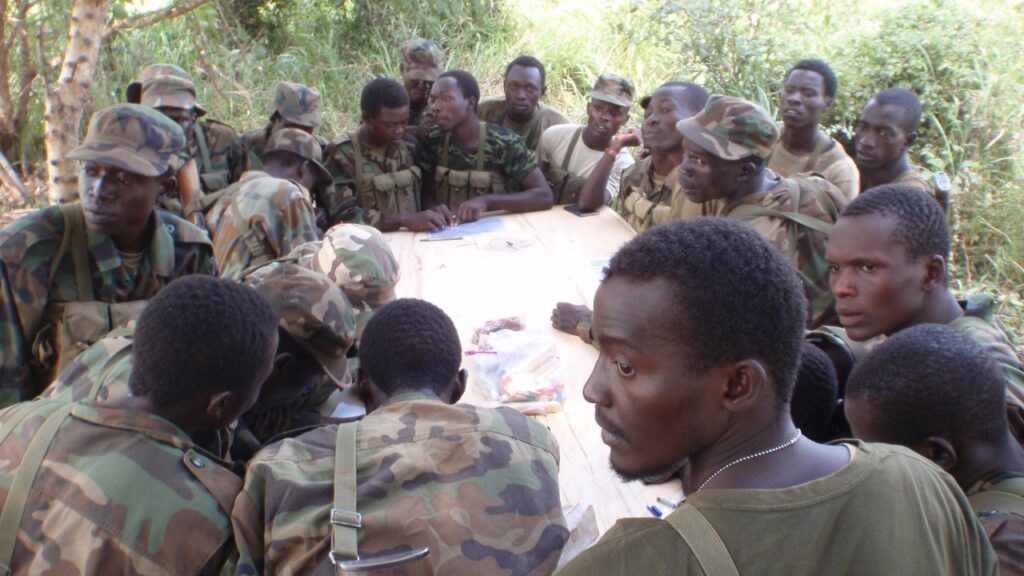
The primary mission of armed forces is the defence and protection of the state, its territory and the population. It is crucial that the student understands what a state is and what the roles of the armed forces are in its structure and development. Nonetheless, states are not the only territorial political units present in Africa and elsewhere. They are also entities challenged by a variety of non-state actors. The module presents the context of the appearance of states in Africa and the specifics of African states. It also presents the challenges to the state that appear on the territorial level, and that emanate from different armed groups as potential alternatives to the state.
Participation in the module will allow the students to better grasp the territorial dimension of the activities of state and its challengers and thus better prepare strategies to strengthen state presence in challenged regions.
This module discusses:
- State-building and the armed forces;
- State, population, and territory;
- State-building in Africa;
- Violent non-state actors – alternatives and/or challengers?
- VNSAs – goals, territoriality, approach to population;
- External interventions – goals, limits;
- Strategies to counter state failure.

MODULE 5: Intelligence
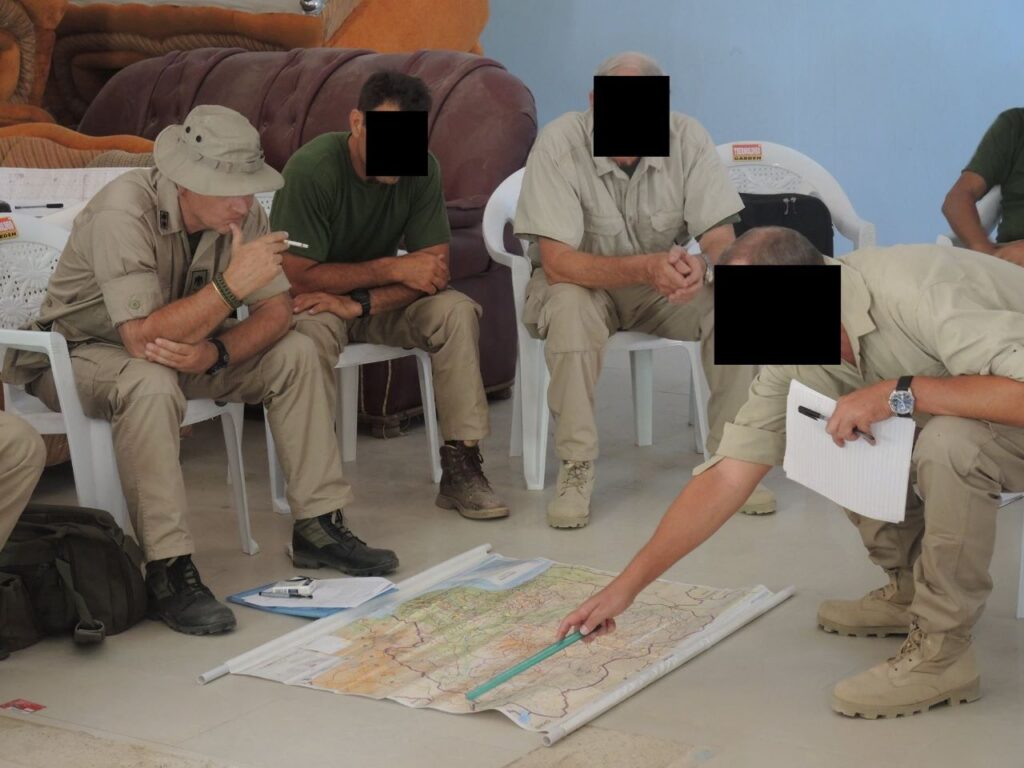
Intelligence is frequently viewed as the second oldest profession. It remains the critical fuel that drives all strategies and operational designs. It, furthermore, drives structure and not vice versa.
It is, however, the first true line of defence of any state, and its failures are devastating across all domains of the state. It is the early-warning system any state must have in place to ensure its longevity and survival. Without it, policies and plans will be disconnected with reality.
Numerous different types of collection methods are used to collect focussed and specific intelligence-information. Once these requirements have been collected utilising various types of assets, resources and sources, the collected information is subjected to a process where the raw information is converted into intelligence. Known as the intelligence sequence, the final intelligence product is disseminated to the users, who may be politicians, government officials, and more specifically strategists, planners, and commanders.
Forewarned, the armed forces are able to prepare containment or defensive strategies or conduct pre-emptive actions to halt and/or neutralise the threats facing them.
To protect or ring-fence the assets, source, and resources, as well as the intelligence product, counterintelligence is applied. Correctly applied, it is a protective mechanism to prevent any unauthorised access to the intelligence product or the methods in which the intelligence-information is collected.
This module discusses:
- The role and functions of military intelligence in the African theatres of conflict and War;
- Assets, sources, and resources of intelligence;
- The African intelligence sequence;
- Intelligence assessment and analysis of the Operational Environment;
- Intelligence differentiation between Area of Operations, Area of Responsibility, Area of Influence and Area of Interest;
- Gaining and exploiting dominance of the informational environment;
- Counterintelligence;
- An introduction to cyber warfare.
MODULE 6: Operational and Tactical Theory
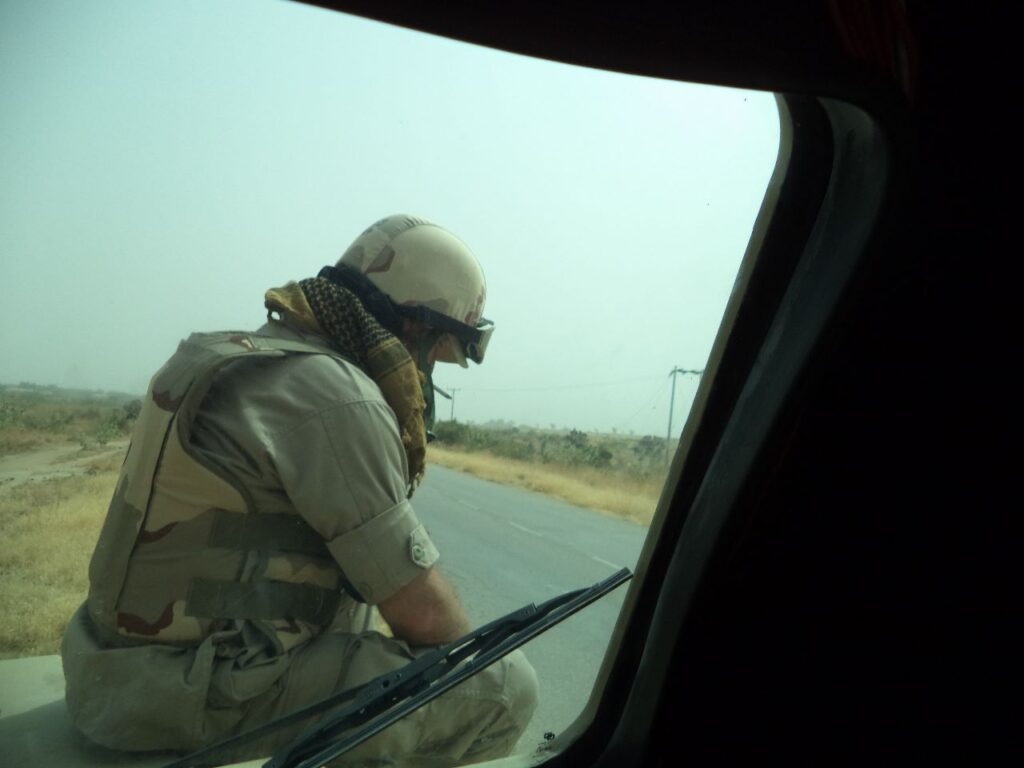
Operational and tactical theory is essential to understanding how military operations are planned and conducted, the aforesaid—as elements of the National Military Strategy—being guided and directed by the National Strategy and driven by intelligence.
The African Pillars of War provide insight into the foundations any African armed force should possess to conduct effective combat operations. The phases and principles of war and anti-government operations are inextricably linked to the Pillars of War.
Operational designs provide the courses of action (action plans) to unpack a military strategy, as strategy without implementation is worthless. Composite warfare sets out numerous goals, commonalities, and requirements to enable commanders to view operational circumstances as multidimensional problems while providing numerous options.
Unconventional manoeuvre operations are essential operations to supplement either conventional or unconventional warfare as they add an element of agility, flexibility, manoeuvre, and surprise aimed at throwing the enemy off balance.
Tactics, techniques, technologies, and procedures (TTTPs) are the actions taken to convert the operational designs and courses of action in smaller tactics operations.
This module discusses:
- African Pillars of War;
- Phases and principles of war and counter anti-government force operations;
- The linkages between campaign strategies and operational design;
- Composite warfare goals, commonalities, requirements, and scenarios;
- Unconventional mobile operations;
- Operational design;
- Tactics, techniques, technology, and procedures (TTTPs).
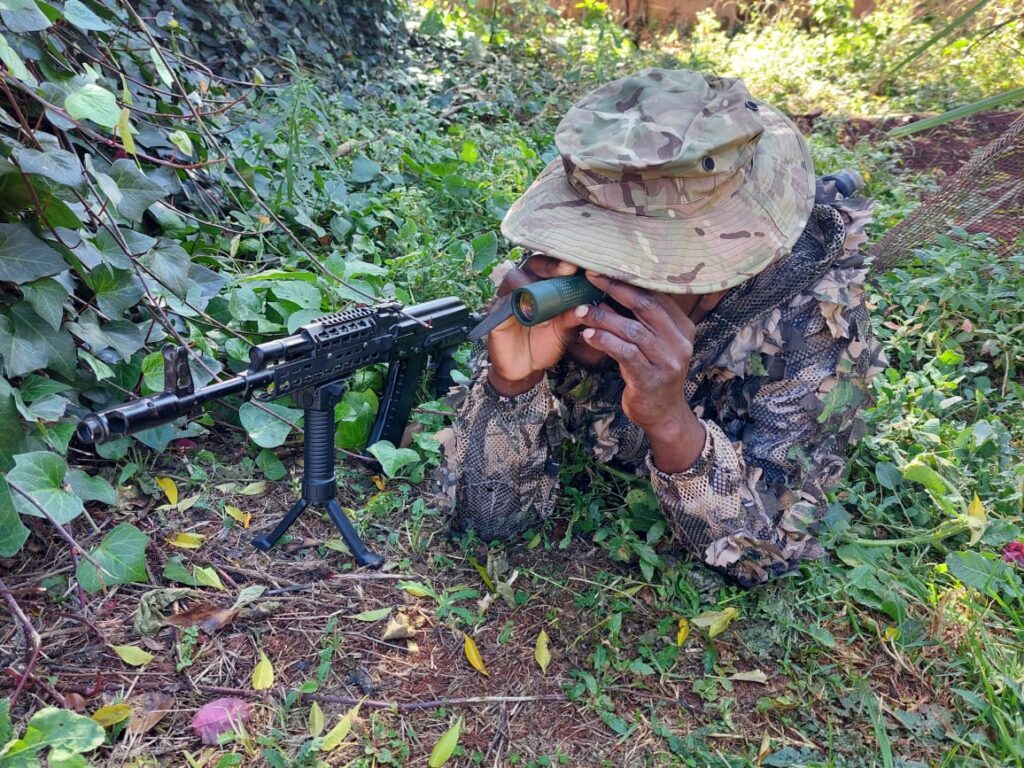
MODULE 7: Military Leadership, Command and Control
Military leadership, and command and control, are essential requirements to inspire and motivate subordinates in the quest to ensure mission success.
Leadership, command and control is a top-down function that follows the hierarchical structure of the military’s Order of Battle. It enables responsibility and accountability at all levels and is transmitted to those who require it in numerous forms such as verbal or written orders, briefings and so on.
Military commanders and leaders are responsible for developing military campaign strategies, overseeing the preparation of the forces, instilling discipline and motivation, and overseeing the operational deployment of forces to attain national security/military objectives.
This module discusses:
- Military leadership;
- Leadership Aims, Theories, Principles and Styles;
- Leadership and its role and linkages with strategy;
- The impact of leadership during combat operations;
- Military appreciations, warning orders and orders;
- Command versus management;
- Command and control on the battlefield.